The Ultimate Guide to Home Care: Nursing, Elderly Care & Baby Care
Home care is not one service, it is a category that covers several very different needs, and most people only figure out which one they actually require after they have already started searching. This guide breaks down the main types of home care, how they differ, and how to figure out which one fits your situation.
What Home Care Actually Means
At its core, home care means professional support delivered in a person’s own home instead of a hospital, clinic, or facility. That can look like a nurse managing medication after surgery, a caregiver assisting an elderly parent with daily routines, or a maternity nurse helping a new mother through the first exhausting weeks after birth. The setting stays the same across all of it. What changes is the type of expertise the situation calls for.
Home Nursing for Recovery and Ongoing Conditions
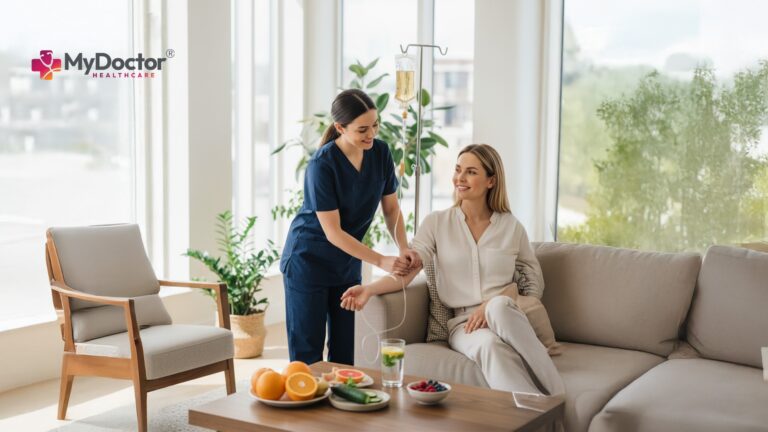
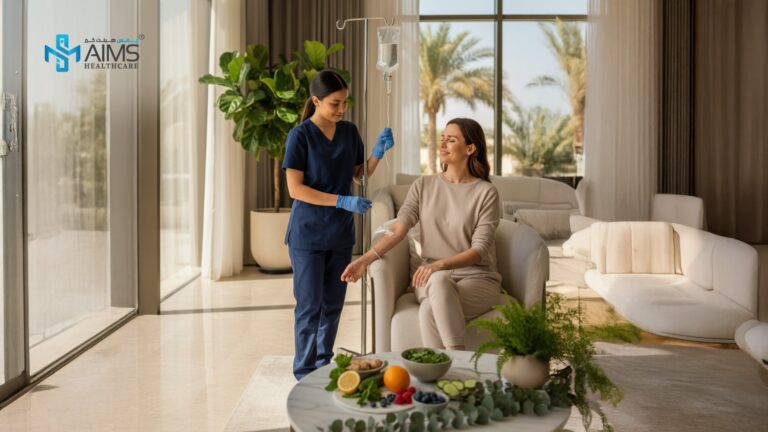
A private nurse at home is usually brought in for something specific, recovery after surgery, management of a chronic illness, or ongoing care that requires clinical skill rather than general assistance. This can include wound care, medication administration, injections, vital sign monitoring, and coordination with the patient’s own doctor. A home nurse working in this capacity is trained to notice small changes that a family member might miss, which is often what makes the difference between a smooth recovery and a preventable complication.
Home nursing in this sense tends to be short term and condition-specific, built around a defined recovery period or an ongoing chronic care plan rather than open-ended daily support.
Elderly Care at Home Service
Elderly care at home overlaps with home nursing but usually covers a broader, longer-term need. Rather than focusing on a single medical event, elderly care is built around daily quality of life, mobility support, medication reminders, companionship, and monitoring for gradual changes in health or cognition. Many seniors recover faster and feel noticeably better staying in a familiar home environment compared to a facility, and elderly care at home allows family members to stay closely involved without carrying the entire responsibility alone.
The key difference from clinical home nursing is duration and scope. Elderly care is often ongoing, sometimes for years, and blends medical support with everyday assistance rather than treating a single acute issue.
Mother and Baby Care
Mother and baby care exists for a much narrower window, usually the weeks immediately following childbirth, but the intensity of need during that window is significant. A trained nurse can support newborn feeding, umbilical cord care, postpartum recovery, and general reassurance for new parents who are running on very little sleep. For families without relatives nearby, or for first time parents who simply want an experienced professional present, this kind of care often determines whether the first month feels manageable or overwhelming.
Unlike elderly care or general nursing, mother and baby care is time limited by nature. Most families use it intensively for a short period and then transition off it as routines stabilize.
Babysitting at Home
Babysitting sits at the more everyday end of the home care spectrum, but it should not be treated as a lesser category. Babysitting service at home through a licensed provider means the person in your home has been vetted, trained in basic first aid and child safety, and accountable to an actual company rather than being an informal arrangement. Families use it for anything from a single evening to a recurring weekly schedule, and the difference between casual babysitting and professionally managed babysitting shows up most clearly in an emergency, when training actually matters.
How to Know Which One You Need
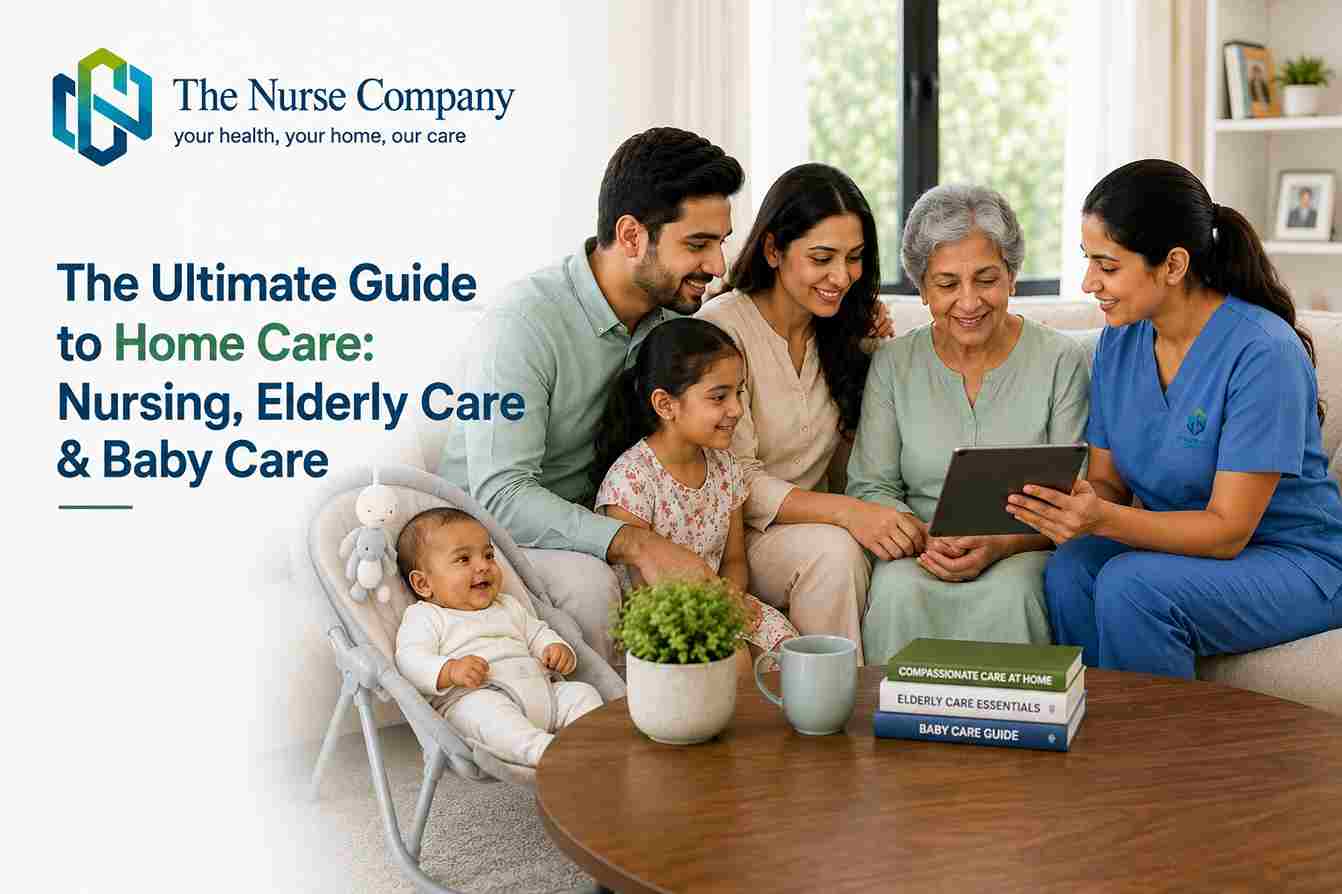
The type of home care that fits depends less on age and more on the actual situation. A parent recovering from a hip replacement needs a private nurse for a defined period. An aging parent managing several chronic conditions over the long term needs elderly care. A family with a newborn needs mother and baby care for a matter of weeks. A working parent needing coverage for a few hours needs babysitting. Some families end up needing more than one of these at different points, or even at the same time, which is where working with a single provider that offers all four becomes genuinely useful rather than a convenience footnote.
What Good Home Care Looks Like
Regardless of which category applies, a few standards should hold across all of them. Staff should be individually certified, not just employed by a certified agency. The company should be licensed by the relevant health authority. Background checks should be standard practice, not an optional add on. And scheduling should be flexible enough to scale as needs change, since most home care situations evolve over time rather than staying fixed.
Choosing a Provider
In the UAE, providers like The Nurse Company operate under DHA certification and cover all four categories, home nursing, elderly care, mother and baby care, and babysitting, under one licensed roof. That kind of range matters when a family’s needs shift, since it means not having to vet a new provider every time the type of care required changes.
Final Thoughts
Home care is rarely a single decision made once. It is a category families move through as needs evolve, from a newborn’s first weeks to a parent’s recovery from surgery to long term support for an aging relative. Understanding what separates home nursing, elderly care, mother and baby care, and babysitting from one another makes it far easier to ask for the right kind of help at the right time, instead of discovering the distinction only after the wrong type of care has already been booked.